Categories
5
What’s the Difference between Serums and Creams for Anti-aging
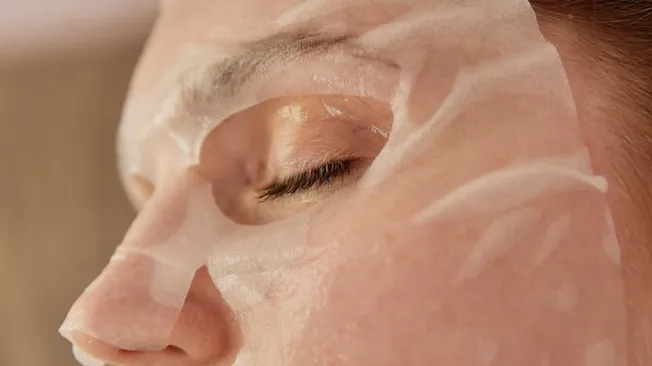
As we age, our skin requires more specialized care to combat the signs of aging effectively. Products like serums and creams play a crucial role in any anti-aging skincare routine. However, understanding the key differences between these two formulations is essential to maximize their benefits and target specific skin concerns effectively.
**Formulation and Consistency**
Serums and creams differ significantly in their formulation and consistency. Serums are lightweight, fast-absorbing liquids that contain a high concentration of active ingredients. These active ingredients can penetrate deep into the skin, targeting specific concerns such as fine lines, wrinkles, and uneven skin tone. On the other hand, creams are richer and thicker in consistency, providing hydration and creating a protective barrier on the skin's surface. Creams are ideal for locking in moisture and preventing water loss, making them suitable for individuals with dry or mature skin.
**Active Ingredients**
One of the key distinctions between serums and creams lies in their active ingredients. Serums are formulated with a higher concentration of active ingredients such as antioxidants, peptides, and hyaluronic acid. These potent ingredients work synergistically to address specific skin concerns and deliver visible results. In contrast, creams contain a lower concentration of active ingredients and focus more on hydrating and nourishing the skin. Creams often include emollients and occlusives to enhance skin hydration and improve the skin's texture and appearance.
**Absorption and Penetration**
Serums are designed to have a lightweight and fluid consistency, allowing them to be quickly absorbed into the skin. This rapid absorption enables the active ingredients to penetrate deep into the skin's layers, targeting the underlying causes of aging at a cellular level. In contrast, creams have a thicker consistency that forms a protective barrier on the skin's surface. While creams provide hydration and moisture retention, their active ingredients may not penetrate as deeply as serums, making them more effective at addressing surface-level concerns.
**Targeted Benefits**
When choosing between serums and creams for anti-aging, it is essential to consider the specific benefits each product offers. Serums are highly concentrated formulations that target specific skin concerns such as fine lines, wrinkles, dark spots, and sagging skin. These potent formulas deliver powerful active ingredients directly to the skin, providing visible results in a shorter period. On the other hand, creams focus on hydrating and nourishing the skin, improving its overall texture and elasticity. Creams are ideal for individuals looking to maintain skin hydration and prevent moisture loss.
**Layering and Application**
While both serums and creams play a vital role in an anti-aging skincare routine, they can be used in conjunction to maximize their benefits. Serums are typically applied after cleansing and toning the skin, allowing the active ingredients to penetrate effectively. Once the serum has been absorbed, a cream can be applied to lock in moisture and provide additional hydration. Layering serums and creams can create a potent skincare regimen that addresses multiple skin concerns simultaneously.
**Choosing the Right Product**
When selecting between serums and creams for anti-aging, it is essential to consider your skin type, concerns, and desired results. Individuals with oily or combination skin may benefit more from using serums, as they are lightweight and non-comedogenic. On the other hand, individuals with dry or mature skin may prefer creams for their hydrating and nourishing properties. Ultimately, the key to achieving youthful and radiant skin lies in understanding the differences between serums and creams and incorporating them into a tailored skincare routine.
Related Breaking
Related Features
Features
Jun 04
Sun Protection
How to Apply Sunscreen for Maximum Protection
Jun 03
Serums
How Do Serums Work with Moisturizers
Jun 01
Hydration
What Are the Signs of Dehydrated Skin
May 23
Anti-Aging
How to Choose the Right Anti-aging Product for Your Skin
May 23
Ingredients
Can Skincare Ingredients Cause Allergies
May 19
Cleansers
How Do Cleansers Impact Your Skin Barrier
Apr 23
Hydration
Can Hydrating Products Help with Oily Skin
Apr 17
Moisturizers
How Often Should You Apply Moisturizer
Apr 16
Acne Care
How Does Salicylic Acid Treat Acne
Apr 16
Ingredients
How Do Antioxidants Help with Skincare
Apr 13
Moisturizers
Why Should You Use a Night Moisturizer
Apr 13
Ingredients
What Are the Most Effective Skincare Ingredients
Apr 11
Sun Protection
What Ingredients Make Sunscreen Effective
Apr 08
Ingredients
How Do Skincare Ingredients Work Together
Apr 04
Masks
What Are the Benefits of Using Face Masks in Skincare
Mar 26
Moisturizers