Dehydrated skin is a common concern for many individuals, impacting the skin’s appearance and overall health. It occurs when the skin lacks sufficient moisture, leading to dryness, flakiness, and potential irritation. Recognizing the signs of dehydrated skin is crucial in addressing the issue promptly and restoring the skin’s hydration balance.
### Tightness and Rough Texture
One of the primary signs of dehydrated skin is a feeling of tightness. When your skin lacks proper hydration, it can feel tight, especially after cleansing or exposure to harsh environmental conditions. In addition to tightness, dehydrated skin often exhibits a rough texture. If you notice that your skin feels rough and lacks its usual smoothness, it may be a sign that it is dehydrated and in need of moisture.
### Dullness and Lack of Radiance
Dehydrated skin tends to appear dull and lackluster. When the skin is not adequately hydrated, it can lose its natural radiance and glow. If you notice that your skin looks tired and lacks the healthy, vibrant appearance it once had, it could be an indication of dehydration. Increasing your skin’s hydration levels can help restore its radiance and improve its overall appearance.
### Fine Lines and Wrinkles
Another common sign of dehydrated skin is the presence of fine lines and wrinkles. When the skin lacks moisture, it can become more prone to developing fine lines, especially around areas where the skin is thinner, such as the eyes and mouth. Dehydration can accentuate existing wrinkles and lead to the formation of new ones. Keeping the skin well-hydrated can help plump up the skin, reducing the appearance of fine lines and wrinkles.
### Flakiness and Peeling
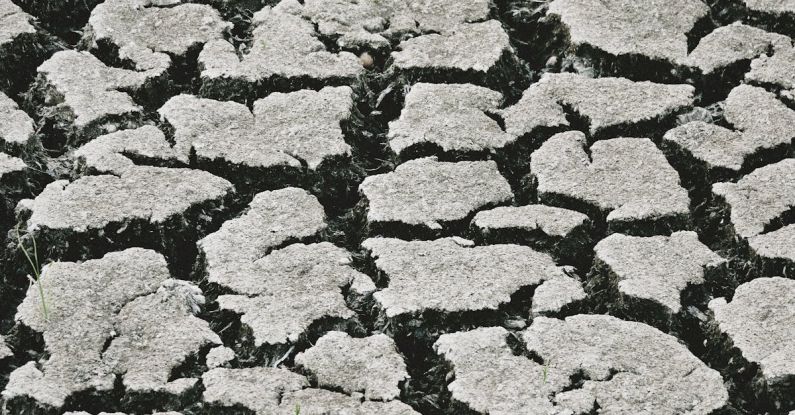
Dehydrated skin often manifests as flakiness and peeling. When the skin lacks moisture, it can become dry and flaky, leading to rough patches and peeling skin. This can be particularly noticeable in areas that are prone to dryness, such as the cheeks, forehead, and around the nose. Regular exfoliation and moisturization are essential in addressing flakiness and promoting smoother, healthier skin.
### Increased Sensitivity and Irritation
Dehydrated skin is more prone to sensitivity and irritation. When the skin lacks moisture, its natural barrier function can become compromised, making it more susceptible to external irritants and allergens. This can result in redness, itching, and discomfort. If you notice that your skin is more sensitive than usual and prone to irritation, it may be a sign of dehydration. Using gentle, hydrating skincare products can help soothe and protect the skin.
### Conclusion: Addressing Dehydrated Skin
Recognizing the signs of dehydrated skin is the first step in addressing this common skincare concern. By paying attention to symptoms such as tightness, dullness, fine lines, flakiness, and sensitivity, you can take proactive steps to restore your skin’s hydration levels. Incorporating hydrating products, drinking an adequate amount of water, and protecting your skin from environmental stressors are essential in maintaining healthy, hydrated skin. With proper care and attention, you can combat dehydration and achieve a radiant, glowing complexion.