Categories
3
What Are the Side Effects of Anti-aging Products
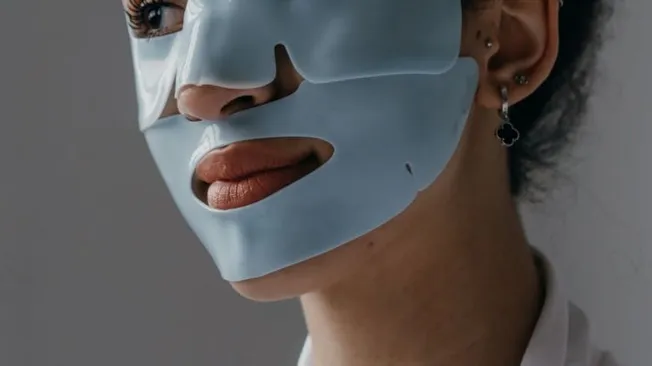
As we age, many of us seek ways to maintain a youthful appearance. Anti-aging products have become increasingly popular in the beauty industry, promising to reduce wrinkles, firm the skin, and give a more youthful glow. While these products can be effective in combating the signs of aging, they also come with potential side effects that consumers should be aware of. Understanding the possible risks associated with anti-aging products is essential for making informed decisions about their use.
**Skin Irritation**
One of the most common side effects of anti-aging products is skin irritation. Many of these products contain active ingredients such as retinoids, alpha hydroxy acids, or vitamin C, which can be harsh on the skin, especially for those with sensitive skin. Symptoms of skin irritation may include redness, itching, burning, or peeling. It is important to perform a patch test before using a new anti-aging product to determine if your skin will react negatively to it.
**Increased Sensitivity to the Sun**
Another potential side effect of anti-aging products is increased sensitivity to the sun. Many anti-aging products contain ingredients that can make your skin more susceptible to sun damage, such as retinoids and alpha hydroxy acids. This can lead to sunburns, hyperpigmentation, and an increased risk of skin cancer. It is crucial to use sunscreen daily when using anti-aging products to protect your skin from harmful UV rays.
**Dryness and Flakiness**
Some anti-aging products, particularly those that contain retinoids, can cause dryness and flakiness of the skin. These products work by increasing cell turnover, which can lead to the skin becoming dry and peeling. To combat this side effect, it is essential to moisturize regularly and use gentle exfoliants to help slough off dead skin cells.
**Allergic Reactions**
Allergic reactions are another potential side effect of anti-aging products. Ingredients such as fragrances, preservatives, and botanical extracts can trigger allergic reactions in some individuals. Symptoms of an allergic reaction may include itching, redness, swelling, or hives. If you experience any of these symptoms after using an anti-aging product, discontinue use immediately and consult a dermatologist.
**Acne Breakouts**
For those with acne-prone skin, some anti-aging products may exacerbate breakouts. Ingredients like mineral oil, silicones, or certain oils can clog pores and lead to pimples and blackheads. It is essential to choose non-comedogenic anti-aging products that will not exacerbate acne and to consult with a dermatologist if you experience persistent breakouts.
**Thinning of the Skin**
Long-term use of certain anti-aging products, particularly those that contain potent ingredients like retinoids, can lead to thinning of the skin. Thinning skin is more susceptible to damage and can result in increased bruising and tearing. It is crucial to follow the recommended usage guidelines for anti-aging products and to consult with a skincare professional if you have concerns about thinning skin.
**Conclusion: Making Informed Choices**
While anti-aging products can be effective in reducing the signs of aging, they also come with potential side effects that should not be overlooked. Understanding the risks associated with these products and being aware of your skin type and sensitivities are essential for making informed choices about incorporating anti-aging products into your skincare routine. Consulting with a dermatologist can help you navigate the world of anti-aging products and find the best options for your skin type and concerns. By being informed and proactive, you can enjoy the benefits of anti-aging products while minimizing the potential side effects.
Related Breaking
Related Features
Features
Jun 04
Sun Protection
How to Apply Sunscreen for Maximum Protection
Jun 03
Serums
How Do Serums Work with Moisturizers
Jun 01
Hydration
What Are the Signs of Dehydrated Skin
May 23
Anti-Aging
How to Choose the Right Anti-aging Product for Your Skin
May 23
Ingredients
Can Skincare Ingredients Cause Allergies
May 19
Cleansers
How Do Cleansers Impact Your Skin Barrier
Apr 23
Hydration
Can Hydrating Products Help with Oily Skin
Apr 17
Moisturizers
How Often Should You Apply Moisturizer
Apr 16
Acne Care
How Does Salicylic Acid Treat Acne
Apr 16
Ingredients
How Do Antioxidants Help with Skincare
Apr 13
Moisturizers
Why Should You Use a Night Moisturizer
Apr 13
Ingredients
What Are the Most Effective Skincare Ingredients
Apr 11
Sun Protection
What Ingredients Make Sunscreen Effective
Apr 08
Ingredients
How Do Skincare Ingredients Work Together
Apr 04
Masks
What Are the Benefits of Using Face Masks in Skincare
Mar 26
Moisturizers