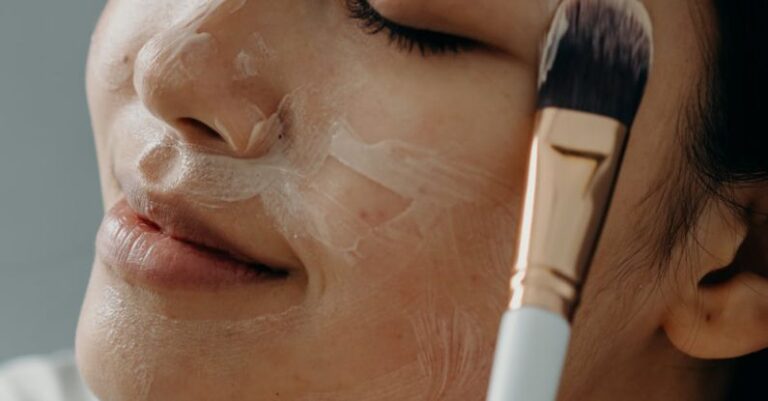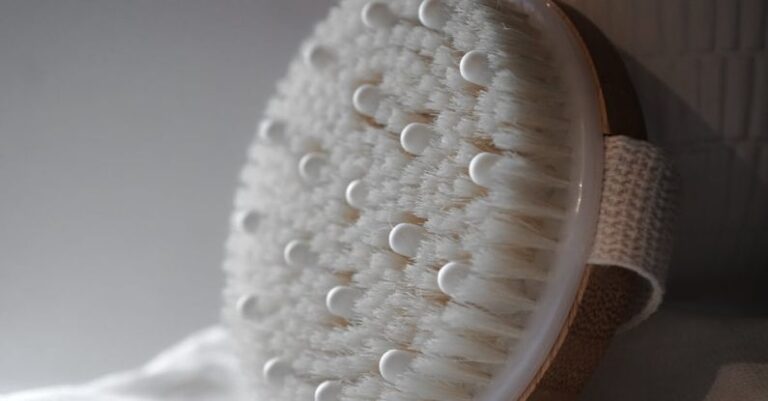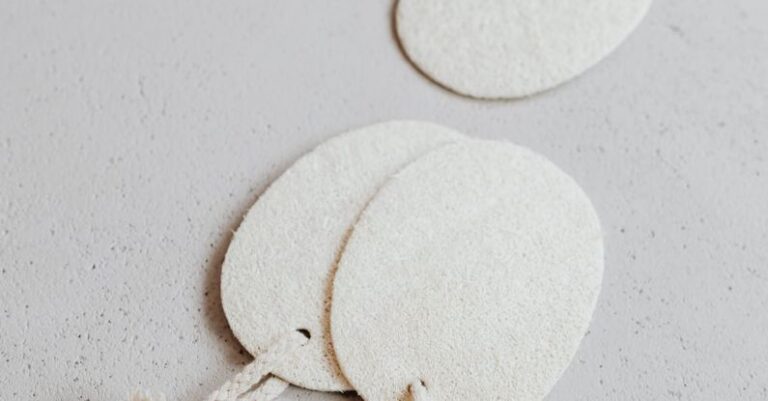

Physical exfoliation has long been a popular skincare practice, with many people turning to scrubs, brushes, and other tools to slough away dead skin cells and reveal smoother, brighter skin. However, there has been a growing debate in the skincare community about whether physical exfoliation is actually beneficial or harmful to the skin. Some argue that it can lead to irritation, micro-tears, and damage to the skin barrier, while others believe it is an effective way to achieve a glowing complexion. In this article, we will explore the potential risks and benefits of physical exfoliation to help you make an informed decision about incorporating it into your skincare routine.
The Benefits of Physical Exfoliation
Physical exfoliation involves the use of abrasive substances or tools to manually remove dead skin cells from the surface of the skin. One of the primary benefits of physical exfoliation is its ability to slough away these dead cells, which can accumulate on the skin’s surface and lead to a dull, uneven complexion. By removing this buildup, physical exfoliation can help to reveal fresher, brighter skin underneath.
In addition to improving the texture and tone of the skin, physical exfoliation can also help to unclog pores and prevent breakouts. By clearing away dead skin cells and debris, exfoliation can reduce the likelihood of pores becoming blocked, which can lead to blackheads, whiteheads, and other types of acne.
Furthermore, regular exfoliation can help to stimulate cell turnover and promote collagen production, which can contribute to a more youthful and radiant complexion. By encouraging the skin to regenerate and repair itself, exfoliation can help to improve the overall health and appearance of the skin.
The Risks of Physical Exfoliation
While physical exfoliation can offer a range of benefits, it is not without its risks. One of the main concerns associated with physical exfoliation is the potential for irritation and damage to the skin barrier. Abrasive scrubs and harsh exfoliating tools can cause micro-tears in the skin, which can lead to inflammation, redness, and sensitivity.
Over-exfoliation is another common issue that can arise from physical exfoliation. Exfoliating too frequently or using products that are too abrasive can disrupt the skin’s natural balance, stripping away its protective barrier and leaving it vulnerable to environmental stressors and bacteria.
In addition, certain skin types, such as sensitive or acne-prone skin, may be more prone to irritation and damage from physical exfoliation. Individuals with these skin types should proceed with caution when incorporating physical exfoliation into their skincare routine and may benefit more from gentler exfoliation methods, such as chemical exfoliants.
Finding the Right Balance
While physical exfoliation can be a valuable addition to your skincare routine, it is essential to approach it with caution and moderation. To minimize the potential risks and maximize the benefits, consider the following tips:
– Choose exfoliating products and tools that are gentle on the skin and avoid abrasive ingredients, such as walnut shells or apricot pits.
– Limit exfoliation to 1-2 times per week to avoid over-exfoliating and damaging the skin barrier.
– Follow up exfoliation with a hydrating moisturizer to replenish lost moisture and support the skin’s natural barrier function.
– Listen to your skin and adjust your exfoliation frequency and intensity based on how your skin responds.
In conclusion, physical exfoliation can be a valuable tool for achieving smoother, brighter skin, but it is essential to approach it with care and consideration. By understanding the potential risks and benefits of physical exfoliation and finding the right balance for your skin, you can enjoy the glowy results without compromising your skin’s health and integrity.