Categories
3
Is Natural Moisturizer Better for Sensitive Skin
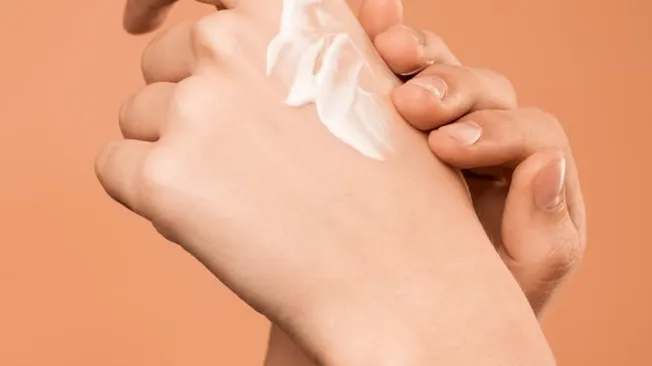
Sensitive skin can be a tricky thing to manage. Those with this skin type often find themselves in a constant battle to keep their skin hydrated and calm without causing irritation. One of the key components in a sensitive skin care routine is moisturizer. But with so many options on the market, it can be overwhelming to choose the right one. Natural moisturizers have gained popularity in recent years for their perceived gentleness on the skin. But are they really better for sensitive skin? Let's delve into the debate and see if natural moisturizers truly reign supreme in the world of sensitive skincare.
Understanding Sensitive Skin
Before we dive into the natural vs. synthetic moisturizer debate, it's essential to understand what sensitive skin actually is. Sensitive skin is characterized by a heightened reaction to external factors such as weather, skincare products, and even stress. People with sensitive skin often experience redness, itching, dryness, and a general feeling of discomfort. This makes it crucial to choose skincare products that are gentle and non-irritating.The Appeal of Natural Moisturizers
Natural moisturizers have gained a loyal following among those with sensitive skin for several reasons. One of the main draws is the use of plant-based ingredients that are free from harsh chemicals and artificial fragrances. Many people believe that natural ingredients are less likely to cause irritation or allergic reactions, making them a safer choice for sensitive skin. Additionally, natural moisturizers are often perceived as being more environmentally friendly and sustainable, appealing to those who prioritize green beauty.The Benefits of Natural Ingredients
Natural moisturizers often contain ingredients such as shea butter, coconut oil, aloe vera, and essential oils. These ingredients are known for their hydrating, soothing, and antioxidant properties, making them ideal for sensitive skin. Shea butter, for example, is rich in vitamins and fatty acids that help nourish and protect the skin barrier. Aloe vera is well-known for its anti-inflammatory properties, making it a great option for calming redness and irritation. Coconut oil is a lightweight moisturizer that can help lock in moisture without clogging pores.Potential Drawbacks of Natural Moisturizers
While natural moisturizers have their benefits, they may not be the best choice for everyone with sensitive skin. Some natural ingredients, such as essential oils and plant extracts, can be irritating for sensitive skin types. Essential oils, in particular, have the potential to cause allergic reactions or sensitivities in some individuals. Additionally, natural products can vary in quality and purity, so it's essential to choose reputable brands that prioritize transparency and ingredient integrity.Synthetic Moisturizers for Sensitive Skin
On the other side of the spectrum are synthetic moisturizers, which are formulated with lab-created ingredients. While synthetic moisturizers may not have the same wholesome appeal as natural products, they can be beneficial for sensitive skin. Synthetic moisturizers often undergo rigorous testing to ensure they are hypoallergenic and non-comedogenic, making them less likely to cause adverse reactions. They can also be formulated with specific ingredients targeted at sensitive skin concerns, such as ceramides for strengthening the skin barrier.Finding the Right Moisturizer for You
Ultimately, the best moisturizer for sensitive skin is one that works for your unique skin concerns and preferences. Whether you choose a natural or synthetic product, it's essential to look for moisturizers that are fragrance-free, alcohol-free, and gentle on the skin. Patch testing new products before applying them to your face can help prevent potential reactions and sensitivities. Consulting with a dermatologist can also provide valuable insight into the best skincare routine for your sensitive skin. In conclusion, the debate over whether natural moisturizers are better for sensitive skin is not a clear-cut one. While natural products have their benefits, synthetic moisturizers can also be a safe and effective choice for those with sensitive skin. The key is to prioritize gentle, non-irritating ingredients that support the skin's natural barrier function. By listening to your skin's needs and choosing products mindfully, you can find the perfect moisturizer to keep your sensitive skin happy and healthy.Related Breaking
Related Features
Features
Jun 04
Sun Protection
How to Apply Sunscreen for Maximum Protection
Jun 03
Serums
How Do Serums Work with Moisturizers
Jun 01
Hydration
What Are the Signs of Dehydrated Skin
May 23
Anti-Aging
How to Choose the Right Anti-aging Product for Your Skin
May 23
Ingredients
Can Skincare Ingredients Cause Allergies
May 19
Cleansers
How Do Cleansers Impact Your Skin Barrier
Apr 23
Hydration
Can Hydrating Products Help with Oily Skin
Apr 17
Moisturizers
How Often Should You Apply Moisturizer
Apr 16
Acne Care
How Does Salicylic Acid Treat Acne
Apr 16
Ingredients
How Do Antioxidants Help with Skincare
Apr 13
Moisturizers
Why Should You Use a Night Moisturizer
Apr 13
Ingredients
What Are the Most Effective Skincare Ingredients
Apr 11
Sun Protection
What Ingredients Make Sunscreen Effective
Apr 08
Ingredients
How Do Skincare Ingredients Work Together
Apr 04
Masks
What Are the Benefits of Using Face Masks in Skincare
Mar 26
Moisturizers