Categories
15
How to Apply Serums for Best Results
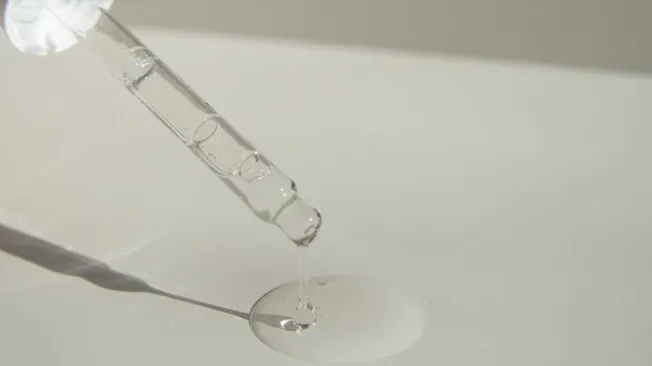
Serums have become a staple in skincare routines for their targeted and potent formulations that address specific skin concerns. However, to truly maximize the benefits of serums, proper application is key. By following some simple guidelines and tips, you can ensure that you are getting the most out of your serums and achieving the best results for your skin.
Understanding Your Skin's Needs
Before applying any serum, it is essential to understand your skin's needs and concerns. Whether you are looking to target fine lines and wrinkles, hyperpigmentation, acne, or dehydration, choosing the right serum for your specific skin issues is crucial. Take the time to assess your skin and research which ingredients will be most beneficial for you. This will help you narrow down your options and select the most suitable serum for your skin type and concerns.Prep Your Skin Properly
To ensure that your serum can penetrate effectively and deliver its active ingredients, it is important to prep your skin properly. Start by cleansing your face to remove any dirt, oil, and impurities that may prevent the serum from absorbing into the skin. Follow up with a gentle exfoliation if needed to remove dead skin cells and allow the serum to penetrate more deeply. Finally, tone your skin to balance its pH levels and create a clean canvas for the serum application.Apply the Right Amount
When it comes to serums, a little goes a long way. It is important to use the right amount of product to avoid wastage and ensure that your skin can absorb it effectively. Typically, a pea-sized amount of serum is sufficient to cover your entire face and neck. Gently pat the serum onto your skin using your fingertips, focusing on areas where you have specific concerns or where you want to see improvements.Use the Correct Technique
The way you apply your serum can also impact its effectiveness. Instead of rubbing the serum into your skin, which can cause friction and potentially irritate the skin, try pressing and patting the product gently into your skin. This technique helps the serum penetrate deeper into the skin and allows for better absorption of the active ingredients. Additionally, avoid pulling or tugging on your skin, especially around the delicate eye area, to prevent premature aging and damage.Layering Your Serums
If you use multiple serums in your skincare routine, it is important to know how to layer them correctly to maximize their benefits. As a general rule of thumb, apply your serums from thinnest to thickest consistency. Start with the serum that has the lightest texture and highest water content, then gradually layer on thicker serums with more concentrated formulas. This will ensure that each serum can penetrate the skin effectively without creating a barrier that prevents absorption.Give It Time to Absorb
After applying your serum, give it some time to absorb into your skin before moving on to the next step in your skincare routine. This allows the active ingredients in the serum to work their magic and deliver their benefits. Wait at least a few minutes before applying moisturizer or sunscreen to ensure that the serum has had enough time to penetrate and do its job.Conclusion: Achieving Radiant Skin with Proper Serum Application
By following these simple tips and guidelines, you can make the most of your serums and achieve radiant, healthy skin. Understanding your skin's needs, prepping your skin properly, applying the right amount of product, using the correct technique, layering your serums effectively, and giving your skin time to absorb the serum are key steps in maximizing the benefits of your serums. With consistent and proper application, you can enjoy the transformative effects of serums and achieve the glowing complexion you desire.Related Breaking
Related Features
Features
Jun 04
Sun Protection
How to Apply Sunscreen for Maximum Protection
Jun 03
Serums
How Do Serums Work with Moisturizers
Jun 01
Hydration
What Are the Signs of Dehydrated Skin
May 23
Anti-Aging
How to Choose the Right Anti-aging Product for Your Skin
May 23
Ingredients
Can Skincare Ingredients Cause Allergies
May 19
Cleansers
How Do Cleansers Impact Your Skin Barrier
Apr 23
Hydration
Can Hydrating Products Help with Oily Skin
Apr 17
Moisturizers
How Often Should You Apply Moisturizer
Apr 16
Acne Care
How Does Salicylic Acid Treat Acne
Apr 16
Ingredients
How Do Antioxidants Help with Skincare
Apr 13
Moisturizers
Why Should You Use a Night Moisturizer
Apr 13
Ingredients
What Are the Most Effective Skincare Ingredients
Apr 11
Sun Protection
What Ingredients Make Sunscreen Effective
Apr 08
Ingredients
How Do Skincare Ingredients Work Together
Apr 04
Masks
What Are the Benefits of Using Face Masks in Skincare
Mar 26
Moisturizers